I. Philosophy — Scale Demands Structure
In its early years, the internet was frontier territory.
Minimal oversight.
Rapid innovation.
Decentralized experimentation.
Corporations grew at unprecedented speed.
Platform power concentrated.
Data accumulated.
Influence expanded.
But scale changes tolerance.
When companies influence elections, currencies, culture, and infrastructure,
they are no longer startups.
They become systemic institutions.
And systemic institutions are regulated.
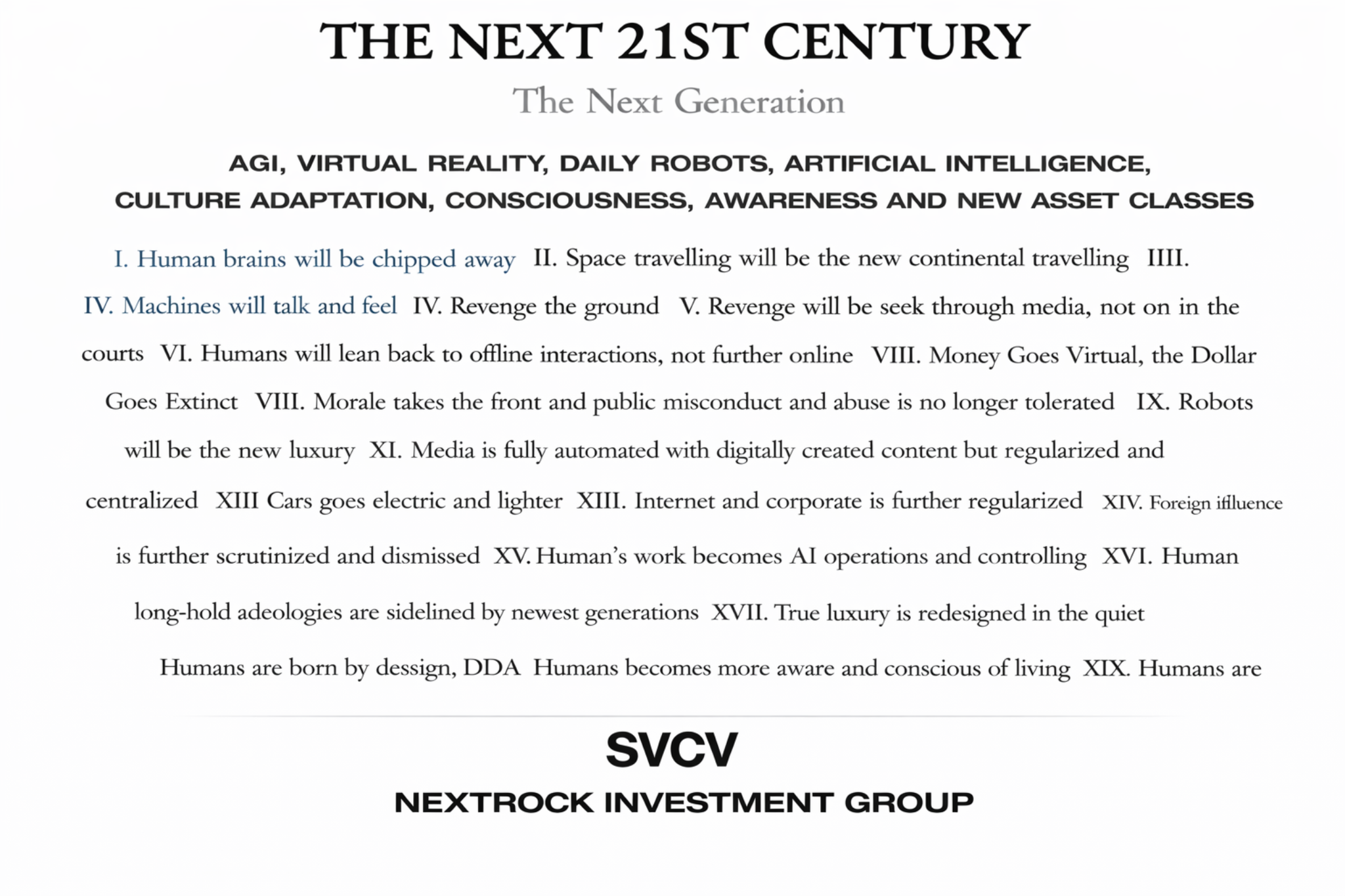
The next century will not deconstruct the internet.
It will formalize it.
II. Structural Shift — From Disruption to Infrastructure
The early digital economy rewarded:
• Speed over compliance
• Growth over governance
• Innovation over oversight
As digital systems became essential — powering:
• Communication
• Commerce
• Finance
• Healthcare
• National security
Governments began reclassifying platforms from tech companies to infrastructure entities.
Infrastructure invites regulation.
We are moving from:
Wild growth → Institutional integration.
Corporate governance evolves alongside digital power.
III. Real-World Momentum — Already Visible
This shift is measurable.
Regulatory Frameworks
European Union – GDPR
Data privacy standardization.
Digital Services Act (DSA)
Platform accountability rules.
Digital Markets Act (DMA)
Antitrust targeting large tech firms.
United States Antitrust Proceedings
Increased scrutiny of dominant platforms.
China’s Tech Regulation Expansion
Data security and platform oversight measures.
Corporate Governance Evolution
• Mandatory ESG disclosures
• Board diversity requirements
• Expanded compliance departments
• AI ethics committees
• Content moderation expansion
Major platforms now maintain:
• Transparency reports
• Public policy teams
• Dedicated compliance units
Regulation is no longer reactive.
It is embedded.
IV. The Next 20 Years
Expect:
• Stricter AI governance laws
• Data sovereignty frameworks
• Cross-border digital taxation standards
• Increased platform liability for content
• Expanded cybersecurity compliance mandates
Daily life impact:
• Stronger identity verification online
• More transparent data policies
• Greater content moderation
• Corporate responsibility in digital harms
The internet becomes less anonymous, more structured.
V. The Next 50 Years
As AI systems integrate deeply into daily life:
• Automated audit systems may monitor compliance
• AI-generated content labeling becomes universal
• Corporate algorithm transparency becomes mandatory
• Multinational digital governance treaties emerge
Large corporations may function similarly to regulated utilities.
Innovation continues.
But within guardrails.
VI. The Next 100 Years
Within a century:
• Global digital governance standards likely unify
• AI decision systems audited continuously
• Corporate misconduct traceable instantly
• Data ownership frameworks standardized
Internet infrastructure may resemble:
• Regulated energy grids
• Aviation safety systems
• Financial clearinghouses
Highly innovative.
But tightly supervised.
VII. Institutional Implications
This affects:
• Technology platforms
• Financial services
• Media companies
• Telecommunications
• AI developers
• Cross-border corporations
Opportunities arise in:
• Compliance technology
• AI auditing systems
• Data security platforms
• Digital identity infrastructure
• Cross-border regulatory advisory
Institutions that embrace governance early gain trust capital.
Those that resist face fragmentation.
The Principle
The internet will not become less powerful.
It will become more institutional.
Corporations will not shrink.
They will be structured.
The next century will not be lawless.
It will be regulated at scale.
And accountability will become embedded into digital architecture.