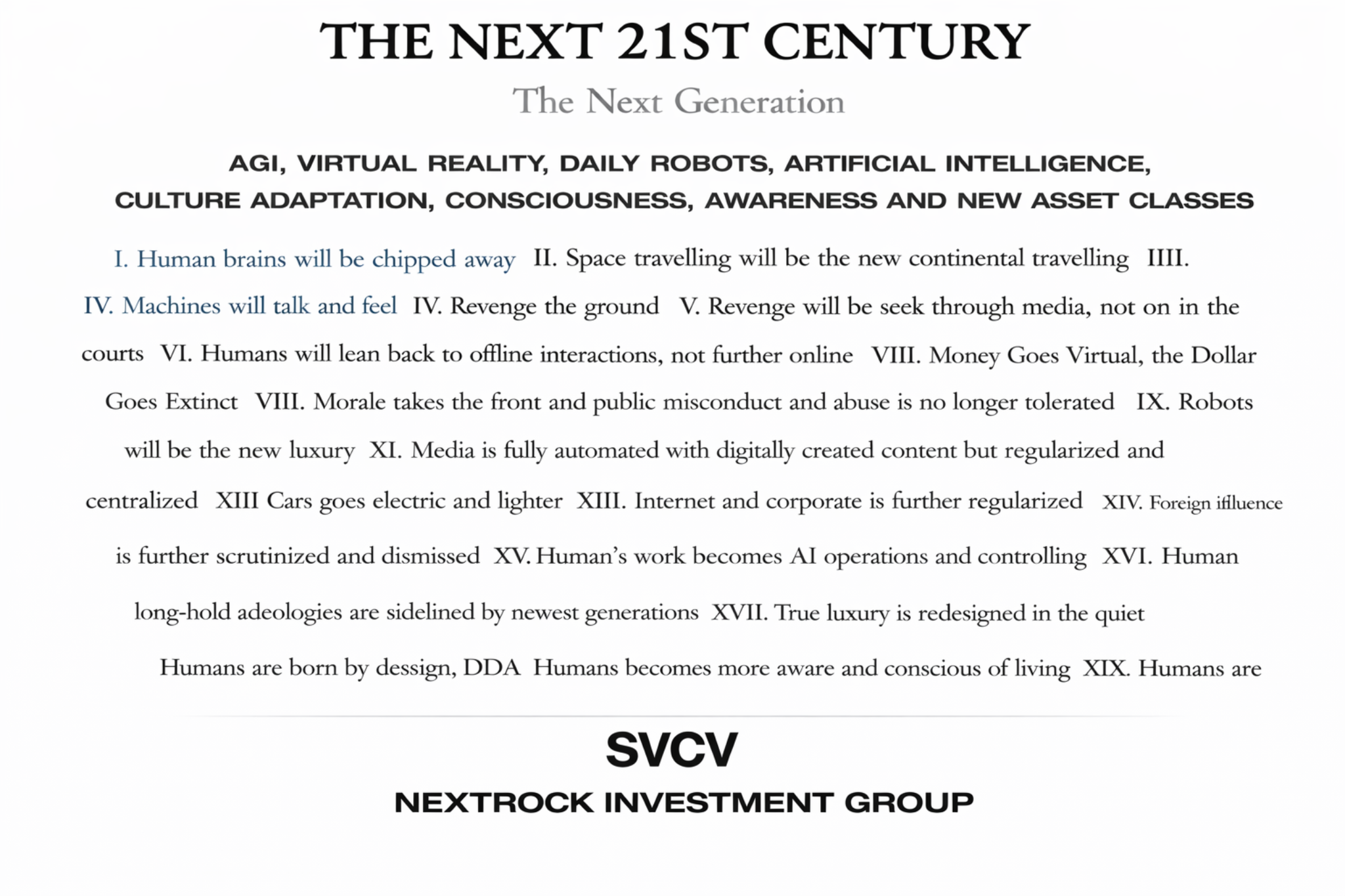
I. Philosophy — Visibility Changes Behavior
For most of history, power operated privately.
Institutions made decisions behind closed doors.
Leaders acted with limited scrutiny.
Misconduct could be buried, delayed, or denied.
The digital age changed exposure.
Everything is recorded.
Everything is shareable.
Everything is searchable.
Visibility alters incentives.
When actions can be documented and distributed globally in seconds, reputation becomes fragile.
Morale — meaning ethical expectation, social standards, and collective accountability — moves forward.
Not because humanity becomes perfect.
But because concealment becomes harder.
II. Structural Shift — Transparency as Enforcement
Three forces reshape public tolerance:
Permanent documentation
Generational value shifts
Platform amplification
Modern institutions face:
• Real-time scrutiny
• Public reaction cycles
• Shareholder activism
• Employee whistleblowing
• Consumer boycotts
Behavior that once went unnoticed now triggers consequences.
Corporate governance expands beyond compliance.
It includes culture.
Misconduct is no longer purely a legal risk.
It is a reputational and economic risk.
III. Real-World Momentum — Already Visible
Examples across sectors show this shift:
• Executive resignations following public exposure
• Corporate diversity and ethics frameworks becoming standard
• ESG (Environmental, Social, Governance) metrics integrated into investment decisions
• Increased whistleblower protections
• Expanded transparency reporting requirements
Investors now evaluate:
• Corporate culture risk
• Social responsibility metrics
• Governance standards
• Leadership integrity
Asset managers increasingly incorporate ESG frameworks into capital allocation.
Public companies now publish:
• Sustainability reports
• Conduct codes
• Internal compliance disclosures
The tolerance window is narrowing.
IV. The Next 20 Years
Expect:
• Greater regulatory oversight
• Mandatory transparency in executive behavior
• Stronger workplace accountability systems
• Expanded anti-harassment enforcement
• AI-driven misconduct monitoring tools
Daily life impact:
• Employers implementing stricter compliance systems
• Faster consequences for public misconduct
• Greater reputational caution among leaders
• Consumer demand for ethical alignment
Morale becomes operational.
V. The Next 50 Years
As digital records accumulate:
• Institutional memory becomes permanent
• AI systems may flag ethical inconsistencies
• Governance ratings may influence financing costs
• Ethical compliance may integrate directly into capital markets
The cost of misconduct increases structurally.
Behavior becomes economically priced.
Institutions may compete on trust.
VI. The Next 100 Years
Within a century:
• Public misconduct may be traceable instantly
• Global transparency standards may unify reporting
• Ethical governance could become baseline expectation
• Reputation systems may integrate with financial credibility
Society does not eliminate wrongdoing.
But concealment declines.
Morale shifts from rhetoric to infrastructure.
VII. Institutional Implications
This transformation affects:
• Corporate governance
• Asset management
• Political leadership
• Media ecosystems
• Regulatory bodies
Opportunities emerge in:
• Compliance technology
• Transparency platforms
• ESG analytics
• Governance advisory services
• AI-powered monitoring systems
Institutions that lead on ethics will attract capital.
Institutions that lag will face structural discounting.
The Principle
Power without visibility declines.
Authority without accountability weakens.
The next century will not eliminate misconduct.
But it will reduce tolerance for it.
Morale will move forward.
And trust will become capital.